

A St. Louis Dietitian’s Perspective on Genetics, Health, and How We Can Support Ourselves
If you’ve ever walked out of a doctor’s appointment with an elevated lab or a comment about your family history lingering in your mind, you know how quickly that can become overwhelming.
“Diabetes runs in my family.”
“Heart disease is on my dad’s side.”
“My mom and sister both have high cholesterol.”
For many of our clients here in St. Louis, these conversations can feel heavy, like a preview of what’s to come.
One client shared with me:
“My dad had type 2 diabetes. I feel like it’s just a matter of time for me.”
Another said:
“My mom had a stroke, and my cholesterol is creeping up. I feel like I’m next.”
And I understand that feeling. I’ve had it too.
With a family history of heart disease, I learned that my own lipoprotein(a), a genetically influenced marker, was elevated. For a moment, it sent me into a place of tightening control… trying to eat perfectly, questioning foods I enjoy, and wondering if I needed to do more.
But over time, both personally and through working with hundreds of clients, I’ve come to see something important:
Family history is information, but it’s not a life sentence.
Genes Are Not Destiny, They’re Information
It’s absolutely valuable to understand your genetic risk. In fact, it can be one of the most helpful starting points for making thoughtful, personalized decisions about your health.
But where we see people get stuck is:
- Assuming what happened to a family member will happen to them
- Creating rigid eating rules out of fear
- Living in constant worry instead of informed action
Research continues to show that only a small percentage of chronic disease is directly caused by genes alone. Most of what we experience is shaped by the interaction between our genes and our daily lives: how we eat, move, sleep, manage stress, and connect with others.
Our genes may set the stage.
But your daily choices influence how the story unfolds.
Where Genetic Testing Can Be Helpful
At McDaniel Nutrition, we don’t believe in testing for the sake of testing. But in the right context, genetic insights can be incredibly helpful.
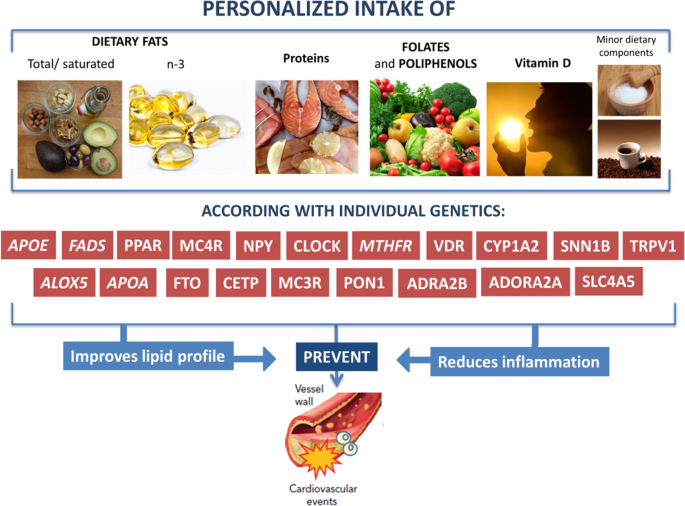
We use genetic testing to move away from guesswork and toward personalization, helping you understand things like:
- How your body processes fats and cholesterol
- Your tendency toward insulin resistance or weight regain
- How you metabolize caffeine
- Whether you may need support with nutrients like vitamin D, iron, or B vitamins
- Your response to different types of exercise
Instead of asking, “What’s the best diet?”
We can begin asking, “What works best for your body?”
A More Personalized Approach: The MNT Custom Genetic Report
For clients who want a deeper, more individualized look, we offer the MNT Custom Genetic Report a tool we’ve built specifically for our practice.
This report looks at key areas of health through your unique genetic lens:
1. Weight & Metabolism
Understanding tendencies around:
- Weight loss and regain
- Satiety and hunger signals
- How your body utilizes carbohydrates, fats, and protein
2. Nutrient Metabolism
Insights into how well your body absorbs and uses nutrients like:
- Vitamin D
- B vitamins
- Iron and calcium
- Lactose or gluten sensitivity tendencies
3. Healthy Living & Longevity
Markers related to:
- Inflammation
- Cholesterol response to dietary fat
- Insulin sensitivity
- Cognitive health and aging
4. Physical Performance
Helpful for active individuals, including:
- Response to cardio vs. strength training
- Endurance vs. power tendencies
- Body composition response to exercise
The main value we see in genetic testing is the clarity it provides. Instead of constantly looking to new advice, clients feel more confident in a plan and as a result, they’re more consistent and less likely to flip-flop between approaches.
From Fear-Based to Informed Living
One of the most important shifts we see in clients is moving from:
“I have to do everything perfectly or I’ll end up like my family…”
to:
“I understand my risk, and I know how to support my body in a way that works for me.”
Because in reality, two people can hear the same thing in a doctor’s office: “your blood sugar is creeping up” or “this looks like prediabetes” and walk away in very different places.
One may feel overwhelmed and fearful of what’s ahead.
Another may feel informed and clear on what to do next.
If your approach to health feels rigid, stressful, or fear-driven, it can work against you. Chronic stress itself impacts inflammation, blood sugar, and overall well-being.
Quite often the goal isn’t a complete diet or health transformation, but small shifts that are sustainable and realistic. Sometimes the most supportive path isn’t the most extreme one, it’s the one you can live with.
A Different Way to Look at Health
It’s important not to ignore your family history, and it’s also important not to be defined by it.
Instead, you can:
- Understand your unique tendencies
- Make informed, personalized choices
- Work with noticing when fear-based thinking arises
- Build habits that support your life versus “controlling it”
If You’re Curious About Your Own Genetic Blueprint
If you’ve been wondering how your genetics might be influencing your health, or if you’re feeling stuck in conflicting nutrition advice, this is something we can explore together.At McDaniel Nutrition, our St. Louis dietitians use both evidence-based nutrition and personalized insights (including genetic testing when appropriate) to help you move forward with clarity and confidence!