As we continue our focus on digestive health, one theme consistently shows up in both research and our client work at McDaniel Nutrition Therapy:
When nutrition and lifestyle changes don’t fully resolve gut symptoms, there’s often a missing piece.
For many individuals navigating IBS, that missing link is the pelvic floor.
At MNT, we believe the most effective care is never one-dimensional. That’s why we collaborate closely with trusted specialists to ensure our clients receive comprehensive, root-cause support, not just symptom management.
One of those collaborators is pelvic physical therapist Dr. Brooke Kalisiak, whose work has been transformative for many of our clients.
Below, she shares how pelvic physical therapy can play a powerful role in managing IBS symptoms and why this approach is often overlooked.
5 Ways Pelvic Physical Therapy Can Support IBS
If you’re living with IBS, you know how disruptive it can be—abdominal pain, bloating, constipation, diarrhea, or a mix of all three.
IBS affects an estimated 10–20% of the population and is widely considered multifactorial, meaning there’s no single root cause.What many people don’t realize is that pelvic physical therapy can be a critical part of the solution.
1. Improving Bowel Habits and Daily Routines
Your bowel habits matter more than most people think.
Pelvic physical therapy looks at:
- Timing and consistency of bowel movements
- Toilet positioning and mechanics
- Coordination between diet, hydration, and routine
At MNT, this is where collaboration becomes powerful.Nutrition strategies alone can only go so far if the body isn’t mechanically responding well. When we pair personalized nutrition with pelvic floor therapy, clients often experience more consistent, lasting improvements.
2. Calming the Gut-Brain Connection
The digestive system is deeply connected to the nervous system—often called the “second brain.”
Stress can directly impact:
- Gut motility
- Sensitivity
- Digestive function
This is why IBS symptoms often flare during stressful periods.
Pelvic PT incorporates:
- Breathing techniques
- Nervous system regulation
- Mindfulness-based movement
This aligns closely with MNT’s philosophy that gut health isn’t just about what you eat—it’s about how your body responds to life.
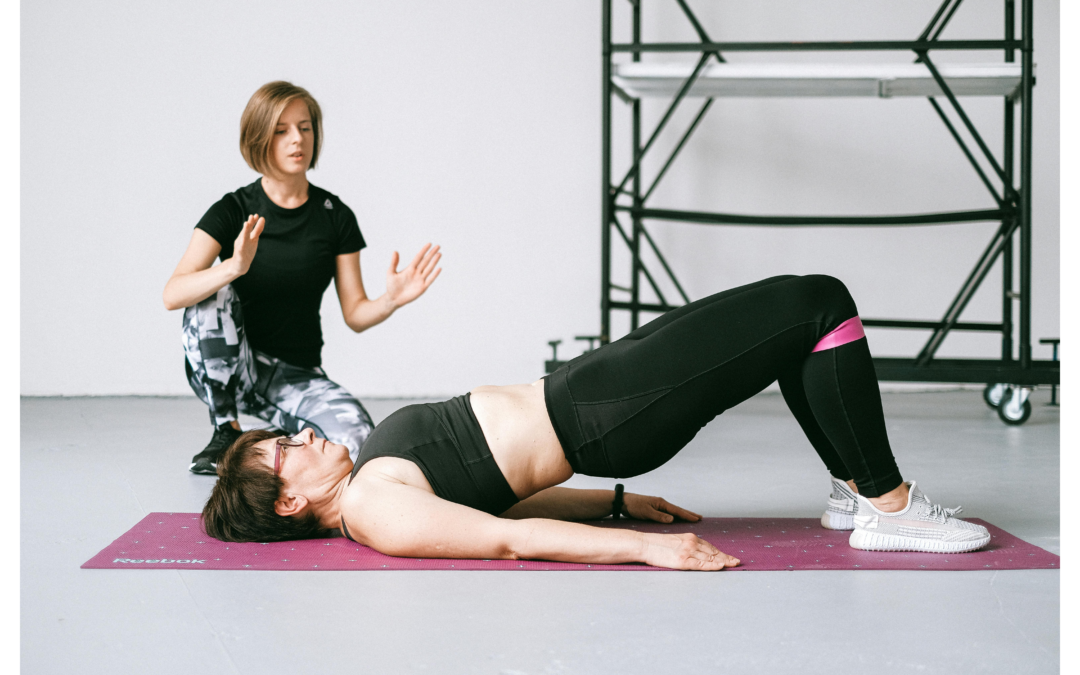
3. Using Movement to Support Digestion
When symptoms flare, people often move less—but that can actually make things worse.
Targeted movement helps:
- Stimulate bowel function
- Improve circulation
- Reduce symptom severity
Pelvic PT goes beyond general exercise by restoring mobility in areas like:
- Hips
- Spine
- Core
This is a key reminder: movement is medicine, but it has to be the right kind of movement.
4. Addressing Muscle and Tissue Restrictions
IBS doesn’t just affect the gut—it often involves surrounding muscles and connective tissue.
Common areas of restriction include:
- Abdominal wall
- Diaphragm
- Low back and hips
There’s a two-way relationship here:
- Gut dysfunction can create tension in the body
- That tension can worsen digestive symptoms
Pelvic physical therapy uses hands-on techniques and movement strategies to restore balance across the entire system.
5. Treating Pelvic Floor Dysfunction
This is one of the most overlooked drivers of IBS symptoms.
Your pelvic floor muscles must:
- Relax to allow bowel movements
- Contract to maintain control
When this coordination is off, symptoms can include:
- Constipation
- Urgency
- Leakage
- Incomplete emptying
These patterns are highly treatable, but they require specialized care.
What Is Pelvic Physical Therapy?
Pelvic physical therapy is a specialized approach focused on the muscles, nerves, and connective tissues that support:
- Bladder function
- Bowel function
- Pelvic organs
It takes a whole-body, root-cause approach, looking at how:
- Breathing
- Posture
- Movement
- Daily habits
all influence symptoms.
Why This Matters for Our Clients at McDaniel Nutrition
At McDaniel Nutrition Therapy, we see this every day:
Clients come to us having tried multiple diets, protocols, or medications, and they’re still struggling.
That’s because true gut healing often requires a team approach.
The most effective care plans often include:
- A registered dietitian (nutrition + behavior change)
- A GI provider (medical evaluation)
- A pelvic physical therapist (movement + function)
This is where McDaniel Nutrition stands apart.We don’t just give nutrition advice, we connect the dots across disciplines to create a plan that actually works in real life.
You Don’t Have to Navigate IBS Alone
IBS can feel frustrating and isolating, but there are more solutions than many people realize.
If you’ve been focusing on food but still feel stuck, your body may be telling you:
It’s time to look beyond nutrition alone.
About the Contributor
Dr. Brooke Kalisiak is a pelvic physical therapist and owner of Legacy Physical Therapy in St. Louis. With over 15 years of experience, she helps individuals restore function and confidence in their bladder, bowel, and pelvic health using a personalized, whole-body approach.