One of the most human things we do is evolve. We learn, we grow, and sometimes we completely rethink things we once believed.
As dietitians, that evolution matters.
At McDaniel Nutrition, many people come to us seeking weight loss support, help improving cholesterol or blood sugar, guidance around emotional eating, or support feeling more comfortable in their bodies. Those are real goals, and we honor them. But the way we approach those conversations today is very different than the way many of us were originally taught.
After more than 25 years working as a dietitian, my understanding of weight, wellness, and behavior change has shifted in ways I never could have imagined early in my career.
The Early Years: When Weight Was the Main Focus
When I first became a dietitian in my early twenties, much of nutrition counseling — especially around weight loss support — focused heavily on calories, exercise, and behavior change. The prevailing belief was that body size was largely within personal control if someone simply found the right combination of discipline, nutrition, and movement.
And while health behaviors absolutely matter, my understanding of weight and wellness has become much more nuanced over the years.
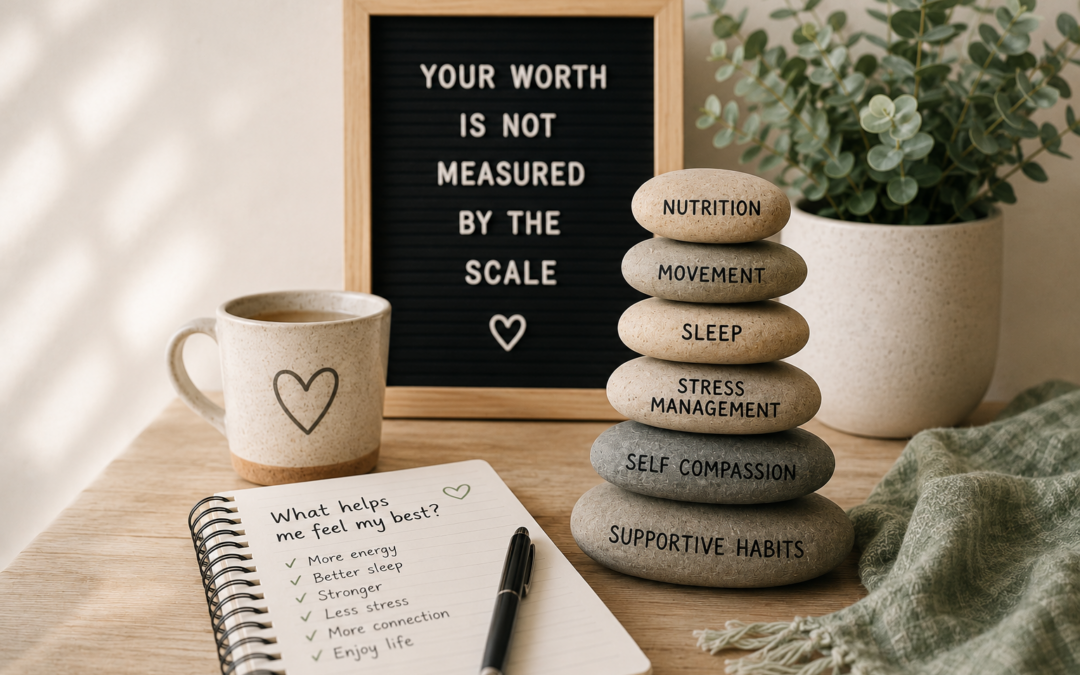
We now have growing evidence showing that behaviors like improving nutrition quality, increasing physical activity, managing stress, improving sleep, and building supportive habits can lead to meaningful improvements in blood sugar, cholesterol, cardiovascular health, energy, strength, and overall well-being — even when significant weight loss does not occur.
That shift matters.
Because for many people, years of focusing exclusively on the scale can create cycles of shame, frustration, and all-or-nothing thinking that ultimately move them further away from sustainable health behaviors.
Over time, I’ve come to understand that body weight is influenced by far more than willpower alone. Genetics, hormones, medications, chronic stress, trauma, sleep, food access, mental health, and socioeconomic factors all play important roles in shaping health and body size.
That doesn’t mean nutrition and movement are unimportant. Quite the opposite.
At McDaniel Nutrition, we believe supportive nutrition, movement, sleep, stress management, and sustainable habits can profoundly improve health and quality of life. But we also believe people deserve care and support regardless of whether their body changes dramatically in the process.
Diet Culture Starts Early
Like many people, my earliest exposures to dieting happened long before my professional training.
I remember flipping through my mom’s fat gram tracking books, seeing rows of fat-free SnackWell’s cookies in our pantry, and absorbing the cultural messages around weight that were incredibly common at the time.
At the same time, I was also given so many positive foundations around food: shared family meals, variety, color, cooking, and connection.
Like so many families, there was both nourishment and conditioning intertwined together.
No blame. Just the culture many of us grew up in.
What I Understand Differently Now
Over time — through clinical work, continuing education, lived experience, and thousands of conversations with clients — my perspective changed.
I no longer believe health can be determined by body size alone.
I’ve seen people in smaller bodies struggling deeply with health concerns and people in larger bodies engaging in incredibly supportive, nourishing behaviors. I’ve also seen how years of chronic dieting and body shame can disconnect people from their own internal cues and create exhausting cycles of restriction, guilt, and “starting over.”
At McDaniel Nutrition, we focus on helping people better understand their health, behaviors, and relationship with food in a supportive and sustainable way.
Sometimes that includes weight loss goals. Sometimes it doesn’t.
But either way, we believe people deserve support that is evidence-based, realistic, and rooted in respect.
The Problem Was Never the Body
One of the biggest shifts in my work has been realizing that so many people have spent years believing their body is the problem.
The problem is often the culture that taught us our worth, health, success, or happiness depended on looking a certain way.
That pressure can create a constant feeling of needing to “fix” ourselves before we’re allowed to feel confident, healthy, or enough.
What I’ve found instead is that meaningful change tends to happen more sustainably when people move away from self-punishment and toward self-awareness.
When someone begins asking:
- What actually helps me feel my best?
- What patterns support my energy and health?
- What habits feel sustainable for my real life?
- What choices align with my values rather than fear or pressure?
That’s often where lasting change begins.
So… Are We a Weight Loss Practice or a Non-Diet Practice?
The truth is, our approach doesn’t fit perfectly into a single philosophy or label.
Some clients come to us wanting weight loss support. Others are trying to heal their relationship with food after years of chronic dieting. Some are navigating digestive concerns, emotional eating, perimenopause, athletic performance goals, or chronic health conditions.
Our role as dietitians is not to force someone into a particular philosophy or tell them what their goals “should” be.
Our role is to help clients better understand themselves, their health, and the factors influencing their behaviors, while supporting them with compassionate, evidence-based care.
We believe health is more than a number on the scale.
We also believe people deserve autonomy in deciding what goals matter to them.
That middle ground can feel uncomfortable in a culture that often pushes extremes, but it’s where we believe some of the most meaningful work happens.
Still Learning
Even after 25 years, I’m still evolving.
Old diet culture thoughts still occasionally show up — because we all live in a culture saturated with those messages. But now, I’m better able to recognize them for what they are: learned conditioning rather than absolute truth.
And I think that awareness matters.
Because wellness shouldn’t require perfection.
It should leave room for curiosity, flexibility, compassion, and being fully human.
At McDaniel Nutrition, that’s the kind of support we hope to offer: helping people care for themselves in ways that feel grounded, sustainable, and aligned with the life they actually want to live.