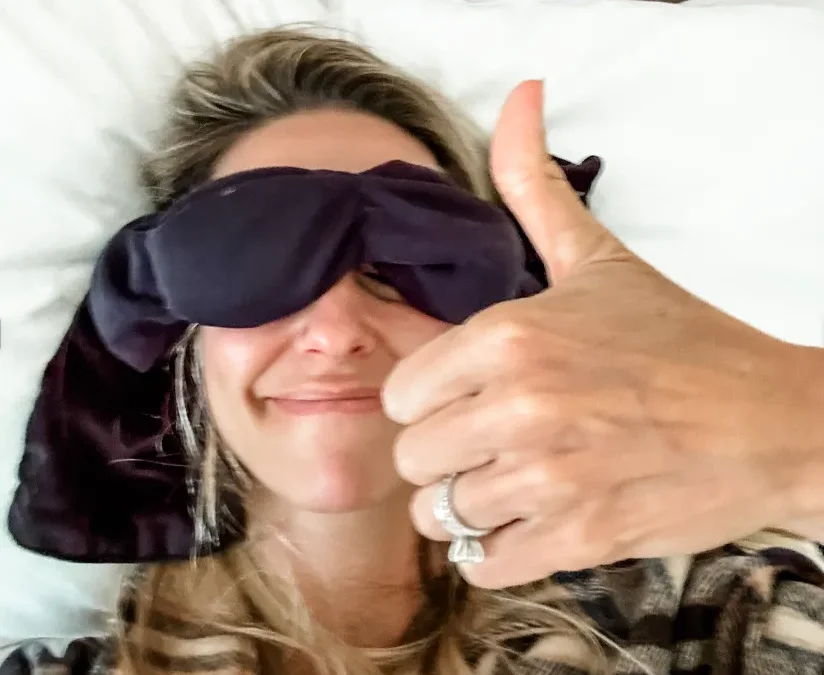
I Stopped Chasing the Sleep Sheep!
I talk about sleep a lot with my clients. Because let’s face it—if you’re not sleeping, it’s hard to make progress on any other wellness goal. To me, sleep is the key that unlocks everything else.
And it’s true for everyone. I discuss it with my teen athlete clients in relation to performance, and with my 85-year-old client in relation to her IBS. No matter the goal, sleep is at the center of it all.
I’ve had my own ups and downs with sleep over the years. I’ve even had stretches of what I’d call transient insomnia. I can remember, years ago, considering shooting whiskey in the middle of the night just to knock myself out. You can feel so desperate in those early morning hours!
While I’ve come a long way in improving my relationship with sleep, just a couple of weeks ago, I hit a rough patch—not anything like the whiskey days, but enough to remind me how fragile sleep can feel when life gets heavy. I was making some big decisions and feeling a bit overwhelmed with responsibilities. The stress response is the complete opposite of the sleep response—which is why a busy, stressed-out mind can make it so hard to nod off.
Of course, stress isn’t the only culprit. Over the years, I’ve worked with clients navigating all kinds of sleep disruptors—hot flashes during perimenopause, low iron levels, restless legs, or the round-the-clock demands of caring for a newborn. Not all sleep struggles are rooted in anxiety or insomnia, and sometimes it’s not just about calming the mind, but addressing what’s going on in the body or in this season of life. That’s why sleep deserves a curious and compassionate lens—because the reasons we’re awake at 2 a.m. are as varied as we are.
A Book That Might Help You, Too?
Ironically, that same week of my “rough patch”, I gave a corporate wellness webinar on sleep—covering everything from sleep hygiene to the science of why we need it. In preparing for the talk, I revisited a book I’d heard incredible things about but hadn’t yet read: The Effortless Sleep Method by Sasha Stephens.
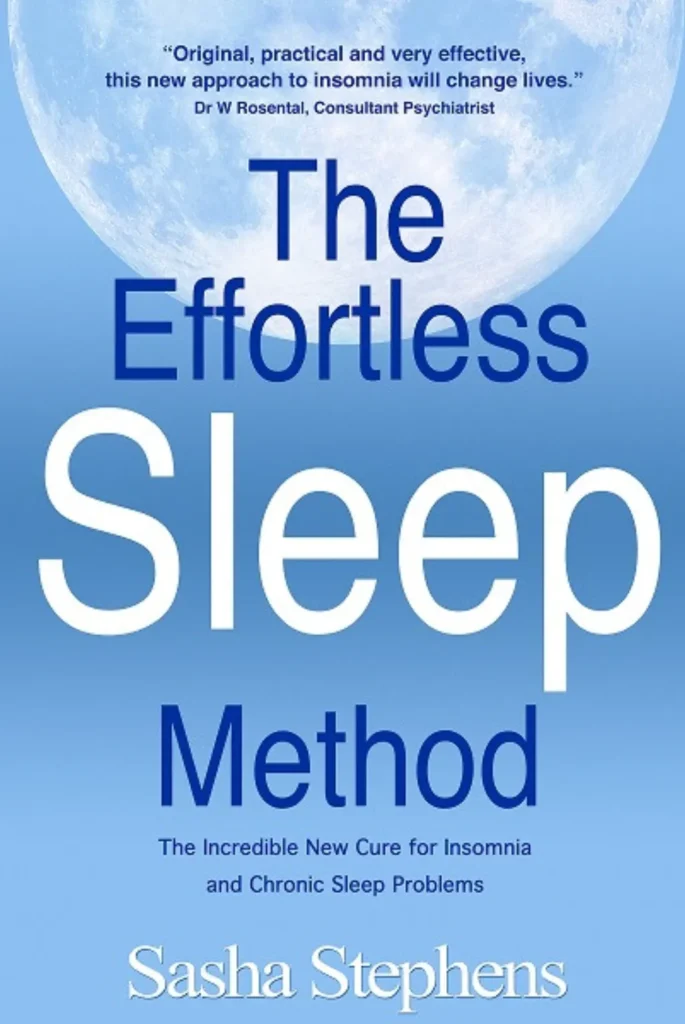
After the seminar, I picked it up—and read it in two days.
What struck me most was how deeply Sasha understands the experience of insomnia—not just the sleeplessness itself, but the fear of sleeplessness. Gosh, it feels good not to feel alone in things. The dread, the over-analysis, the rituals we build to try to control something that is, by nature, meant to be automatic.
She writes as someone who’s been there (because she has!)—with compassion and clarity.
Breaking the Loop
Her book isn’t a step-by-step, “fix your sleep in 7 nights” kind of plan. It’s a mindset shift. Sasha makes the case that the more we try to control sleep, the more elusive it becomes.
Instead, her approach blends simple sleep hygiene with learning to work with those stressful, fear-based thoughts about sleep—neutralizing them—and trusting in our body’s natural ability to rest.
“Sleep is a natural ability—not a skill to be mastered.”
Here are a few top takeaways. I’ve been a good student, and I can attest…it’s working. I am sleeping much more peacefully:
Match the Time in Bed to the Hours You Need
What’s your magic sleep number—6, 7, 8, or 9 hours? Mine is a solid 8. Whatever yours is, the advice is simple: only stay in bed for that amount of time.
I used to go to bed early “just in case” (or because I was exhausted), hoping to catch more sleep. But it often backfired, and I’d end up lying there even longer. #eyeswideopen
My new routine is to wait until around 8:45 p.m. to get into bed and wake up at 5 a.m.—even on weekends. I also love how Sasha talks about quality over quantity. I often calm myself with this reminder: even if I don’t get the full 8 hours, it’s still possible to wake up feeling rested.
Skip the Nap (for Now)
This is the only sleep advice I might skip now and then: skip the nap. The research is actually pretty compelling—if timed right, naps don’t interfere with nighttime sleep. And I’ve experienced the power of a well-placed nap firsthand. There have been days when I’m dragging, I take a quick 15-minute rest, and come out the other side feeling totally recharged.
But for now, I’m not napping—and because I’ve been sleeping so well at night, I haven’t needed to!
Get Up If You Can’t Sleep
My sleep issues have typically been around falling asleep. It always felt like one extreme or the other—I’d either drift off immediately or lie awake for hours, with nothing in between. Since trying this method, I’ve been falling asleep quickly.
That said, this week I had a disruptive dream and woke up with a racing mind. Instead of staying in bed tossing and turning, I got up and let myself settle before crawling back under the covers. She recommends doing something low-stimulation—like a puzzle or folding laundry—if you’re struggling to fall asleep or wake up in the middle of the night. It’s definitely not easy to leave a warm bed, but the goal is to avoid associating the bed with frustration.
No More Clock-Watching
This one was a no-brainer for me. I learned early on that checking the clock was a recipe for a restless night. Now, I turn my sound machine/clock around so I can’t see it, and I leave my phone charging in the kitchen. For me, knowing the time only fueled the sleepless spiral—reminding me how little sleep I was getting and making it even harder to relax.
Keep the Bed for Sleep Only
I used to read in bed most nights, but now I read beside one of my kids or in a cozy chair. I do miss reading in bed, but this small shift seems to help my body relearn what bed is for.
You Probably Don’t Need What They Say You Do!
Sleep-better hacks are everywhere. Influencers love to share their gadgets, gummies, blue-light blockers, mouth tape, magnesium blends, and bougie sleepwear. And while some of these might offer support, they’re not the solution.
In The Effortless Sleep Method, Sasha Stephens argues that relying too much on external fixes sends a subtle but powerful message to our body: You can’t do this on your own.
“My body already knows how to sleep. I just needed to trust it again.”
I do love my curated sleep environment—67 degrees, total darkness, my NodPod, and a weighted blanket. But even that perfected setup is no guarantee.
One thing I’ve definitely let go of? OTC sleep aids. I almost always feel worse the next day when I take them…
(And on that note—)
The Sleep Aid Trap
Let me start by saying: if you’re taking any kind of medicine to help you sleep—and it’s working? That’s great. Don’t fix what isn’t broken.
That said, the book pulls back the curtain on both over-the-counter and prescription sleep medications. Not only is there limited evidence showing that sleep aids significantly improve sleep, but there are also potential long-term consequences to consider.
In my experience anything I have ever tried – MD prescribed or OTC has left me foggy, emotionally flat and definitely not more rested.
Here are a few key risks she outlines:
- Cognitive decline: Long-term use of sleep aids and antihistamines (like Benadryl) has been linked to memory issues and dementia risk.
- Dependency: The more you use them, the harder it is for your body to sleep naturally.
- Daytime grogginess and fall risk: Especially dangerous for older adults.
- Sleep anxiety: Rituals and routines can backfire when they make you feel helpless without them.
The most exciting part? Research shows that CBT-I (Cognitive Behavioral Therapy for Insomnia)—the foundation of Sasha’s method—is more effective long-term than medications. With none of the side effects.
Put Life Before Sleep
This one was hard to own – but I was doing this! I’ve often skipped events or left gatherings early just to protect my sleep. But Sasha reminds us: Live your life. Sleep will catch up.
“When I stopped managing every detail, my sleep finally softened.”
Ironically, when I let go of the control, I started sleeping better.
Change Happens By Neglect
While some of the guidance feels a bit like “rules,” I have a sense it’s really just a framework—something to start with, and eventually loosen up. Like allowing myself to take a cat nap when needed, or to read in bed again someday.
What’s shifted most for me is actually what I’ve been working on in every other area of my life: recognizing how my thinking can create suffering.
One of my favorite episode titles from the Change Coach Podcast is: “Change Happens by Neglect.” It’s true! Most great sleepers aren’t lying in bed thinking, How can I sleep well tonight?!
If you’ve struggled with sleep—or if you’ve made your whole life revolve around avoiding a bad night—I can’t recommend The Effortless Sleep Method enough.
Let me know if you give it a read—I’d love to hear what resonates for you.
Wishing you easeful nights,
Jennifer