Osteopenia and Low Bone Density Nutrition Counseling
Virtual and in-office appointments

Explore practical nourishment after an osteopenia or low-bone-density finding. We help translate care advice into varied meals without promising changes in scan results.
Food support for low bone density
Practical guidance, tailored to your needs.

Review current intake
Discuss bone-related nutrient sources and any food restrictions.

Plan balanced choices
Include nourishing meals and snacks that suit your appetite and routine.

Use medical guidance
Align food and supplement questions with your clinician’s recommendations.
We can meet you at our office or virtually
Choose what best works for you.
In-office in Saint Louis
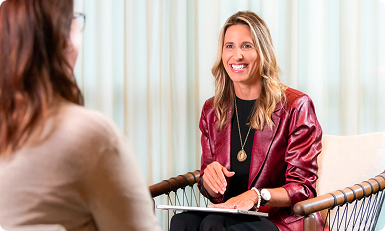
Online

Real feedback from McDaniel clients
We’re proud to celebrate the stories and progress of our clients.
-
Jennifer is insightful, helpful, and asks great questions. I’m learning to listen to my body and stop being on auto-pilot. It’s a great gift to work with her.
-
My wife and I have had two visits so far with Jennifer and it's been a great experience. She's helped us rethink how we approach food and given us practical, realistic guidance on meal planning. She's very knowledgeable and takes the time to answer all of our questions and concerns. We already feel like we have a better relationship with food which can only get better as we go.
-
I love how Jennifer teaches me how to use nutrition as an athlete! She helps me understand how much nutrition I need and how to make smart choices. She listens so well to the constraints of my day and gives me creative work arounds
-
Great call today with Jennifer, reviewing my genetics, my meal planning, nutrition, workouts and more! I love the work she doing with genetics and nutrition! In 3 weeks, I'm down 6 lbs, sleeping better, energized and ZERO sugar cravings 😱 lol. Thanks!
-
I thoroughly enjoyed working with Jennifer at McDaniel Nutrition Therapy! At our first appointment, I found Jennifer incredibly easy to talk to and open up to about the GI issues I was experiencing. In that first meeting, we came up with a comprehensive plan to help pinpoint what was triggering my flare-ups. Between appointments Jennifer made herself easily available to answer any questions I had, and to check in on how I was doing. After working together for about 6 months I'm happy to report I feel so much better, and have an understanding of what foods and stressors contribute to my stomach issues. Jennifer is a life-saver!
-
Jennifer gave tangible tips that could be implemented with my work schedule that consists of crazy travel. She understands it’s not a one size fits all approach and was ready to modify based on what worked best for me. She truly gave me back peace of mind in my digestive health! Absolutely recommend - no matter where you’re at in your nutrition journey :)
-
I have had a wonderful experience at McDaniel Nutritional Therapy. Jen has been kind, knowledgeable, and supportive throughout my time working with her. Her approach to nutrition and weight loss is practical and approachable, and she has always made me feel like I had the information and support I need to make real, lasting progress. If you're interested in working with a nutritionist for any reason, I would highly recommend Jen and McDaniel Nutritional Therapy.
-
Jen has helped me a lot with nutrition planning for weight loss and marathon training. She has given me a nutrition plan with macro goals that fit my needs, and practical advice to help implement the plan. She has been very easy to work with, and responsive to my questions between sessions. So far I’ve lost 15 pounds with no signs of stopping.


Our Team of Dietitians
Our registered dietitians help you include nourishing meals and snacks that suit your appetite and routine. Together, we work with your goals and care plan.
-

Abigail Frech
MS, RD/N, LD, ACSM-CPT
Licensed Dietitian
-
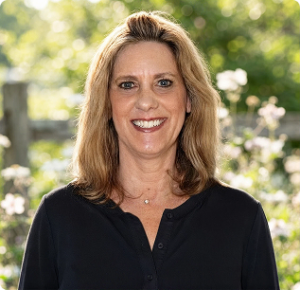
Brenda Madole
LDN, RD/N, CSSD
Licensed Dietitian
-
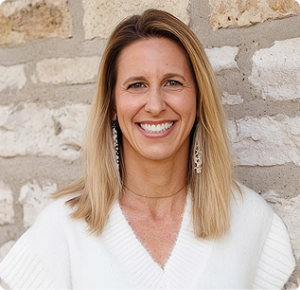
Jennifer McDaniel
RD/N, LD
Licensed Dietitian
You may be eligible for insurance coverage for nutrition counseling.
Coverage varies by plan. Our team will help you understand your benefits and available nutrition services.






FAQ
We’ve got your answers.
Nutrition provides the nutrients your body needs to build and maintain strong bones. A registered dietitian can help you develop eating habits that support bone health based on your individual needs.
Calcium and vitamin D are especially important for bone health, along with other nutrients such as protein, magnesium, and vitamin K. A dietitian can help you assess your diet and identify ways to meet your nutritional needs.
Yes. Nutrition counseling can help you identify dietary factors that may support bone health and ensure you are meeting your needs for calcium, vitamin D, protein, and other important nutrients.